
Closing the Gap Between Credential and Career
Community colleges and postsecondary institutions are the primary gateway to economic mobility for adult learners, veterans, first-generation students, and communities of color. Yet a persistent gap remains between the credentials institutions issue and the capabilities employers actually need. In 2025, only 22% of employers said entry-level workers were prepared to do their jobs. Six in ten had already let go of a recent college hire, not for technical deficits, but for the human skills that make technical skills useful.
The Pathsmith® framework gives postsecondary institutions the infrastructure to close that gap, making durable skills a defining feature of a complete credential rather than an afterthought.
8 of the 10 most-requested skills in today’s job postings are durable skills. For low-income learners and students of color who depend on postsecondary education as their primary path to economic mobility, the absence of these skills from credentials isn’t just a gap. It’s a barrier. A credential of value is a complete credential, one that signals not just what a learner studied, but what they can actually do.
Without a shared framework, durable skills remain a pedagogical aspiration rather than a verifiable feature of the economic ladder. The Pathsmith® framework changes that by providing a common, employer-validated language that institutions can embed, assess, and credential at scale.

The Pathsmith® framework was developed with input from 800+ employers and validated against 82 million job postings. Because it functions as an ingredient brand, it can be embedded inside the products, tools, and services that partners bring directly to postsecondary programs and institutions, including:
When the Pathsmith® framework is inside a product or program, it means the durable skills being developed are grounded in a common, employer-validated standard that travels with learners wherever they go next.
America Succeeds has worked alongside 12 community colleges across seven states through a national Community College Community of Practice to understand what it actually takes to embed durable skills into continuing education programs. The findings are consistent: instruction, reflection, assessment, credentials, and faculty learning must work together as a coherent ecosystem. None of these components alone is sufficient.
The tools, resources, and partnerships below reflect what institutions told us they actually need: practical resources, professional development designed for adjunct instructors, ready-to-use instructional content, and scalable assessment tools.

A visual overview of 10 durable skill domains and the subskills within each, grounded in what employers actually ask for. The inner ring shows the 10 core skill domains; the outer ring maps 100 common job-posting keywords to the framework. A useful starting point for introducing durable skills to students, staff, or community stakeholders.

A free, downloadable practitioner guide for making durable skills visible and developable across the full learning continuum. Covers 24 durable skills from early childhood through postsecondary, with grade-band look-fors, developmental arcs, reflection prompts, and a crosswalk connecting PK-16 skills to the Pathsmith® Early Career Rubric and employer-defined expectations.

A free, downloadable overview of the Pathsmith® early career framework, including definitions for all 74 skills and rubric summaries for each domain at the applying level. A great place to start.

The PK-16 Durable Skills Development Progression covers 24 durable skills organized into four clusters, with 360 behavioral indicators across five developmental levels, spanning from early childhood through postsecondary. Designed for partners embedding durable skills into curriculum, assessments, and systems. Available through a Pathsmith® license.

The complete early career Pathsmith® framework covers all 10 competency domains and 74 subskills defined across four proficiency levels (emerging, developing, applying, and exceeding). Provides practical, observable descriptions of how durable skills show up at every stage of proficiency in the early career journey. Available through a Pathsmith® license.
The Pathsmith® framework is embedded across a growing ecosystem of partners bringing durable skills to life in postsecondary programs and institutions. Here are some of the ways institutions can access Pathsmith®-powered tools and support today.
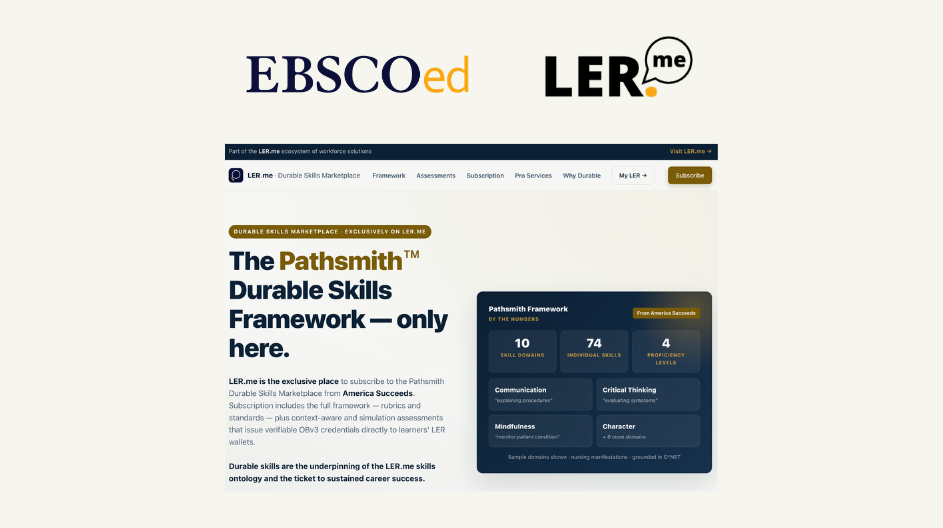
LER.me, EBSCOed’s free, open-access talent marketplace, uses the Pathsmith® framework as the exclusive backbone of its skills ontology. Institutions, states, and employers can assess durable skills through two assessment types and issue verifiable credentials directly to learners’ portable LER wallets.
Hidden Skills helps students name and articulate the durable skills they build through internships, jobs, volunteering, sports, and other meaningful experiences. Using the Pathsmith® framework, students submit short audio reflections and receive personalized reports identifying the skills they demonstrated, in language they can carry into college applications and job interviews. Partner organizations receive cohort-level data to strengthen their programs.
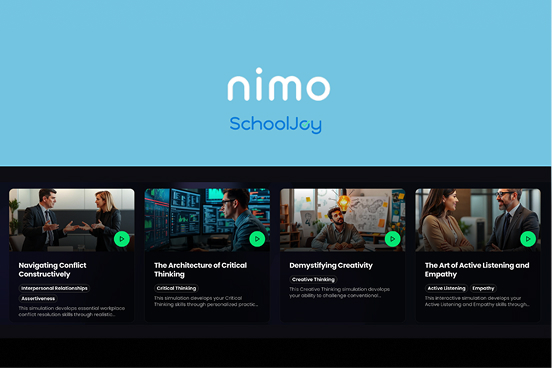
Nimo builds AI-powered simulations that help learners practice and strengthen durable skills in immersive, real-world scenarios. Grounded in the Pathsmith® framework, Nimo’s simulations coach learners through complex interpersonal challenges and provide instant, data-driven insights on growth. Nimo is currently partnering with a select group of community college partners as part of America Succeeds’ national Community of Practice.
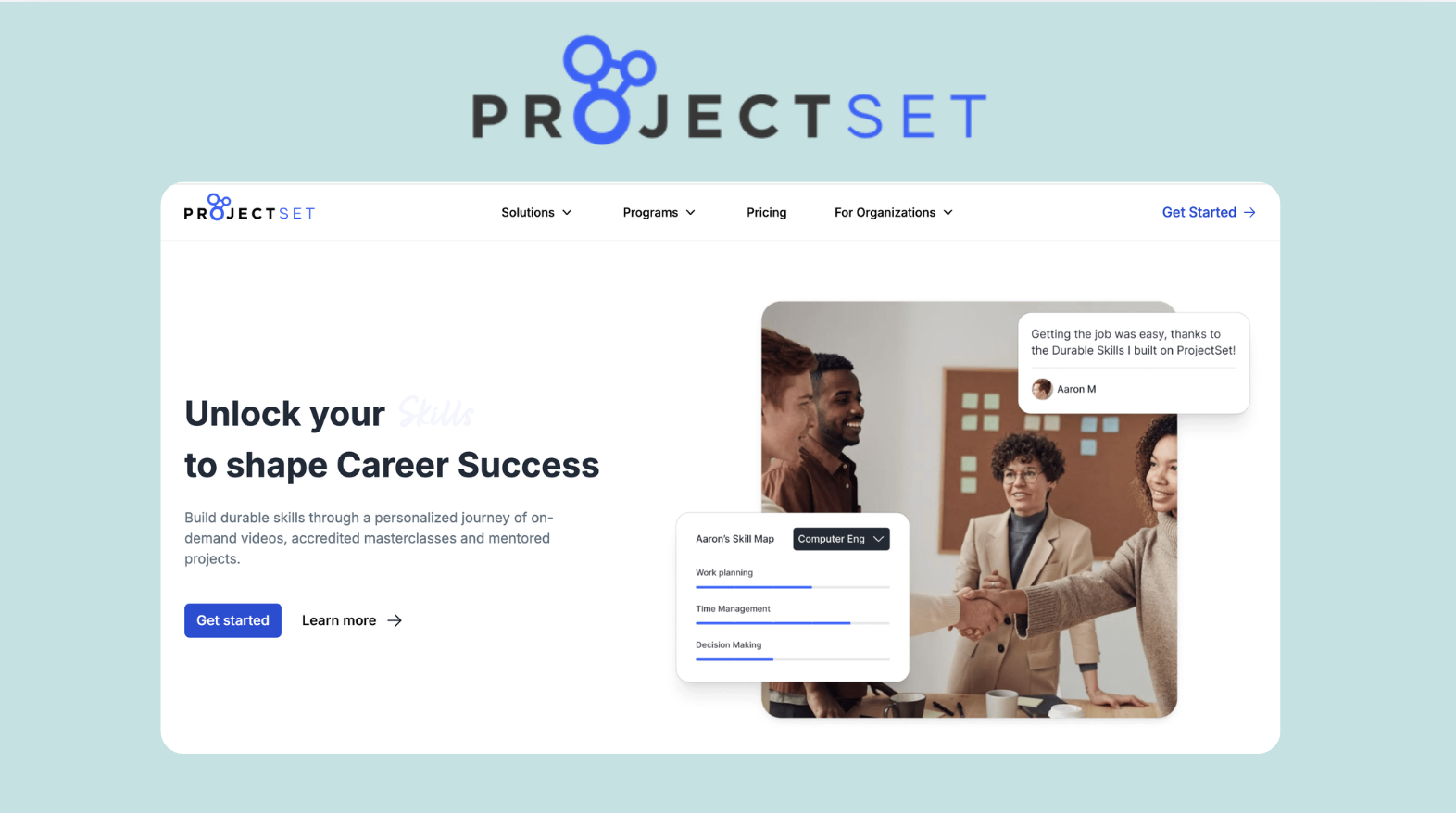
ProjectSet’s AI-powered platform helps learners develop, measure, and showcase durable skills through personalized, real-world projects aligned to their career aspirations and grounded in employer demand.
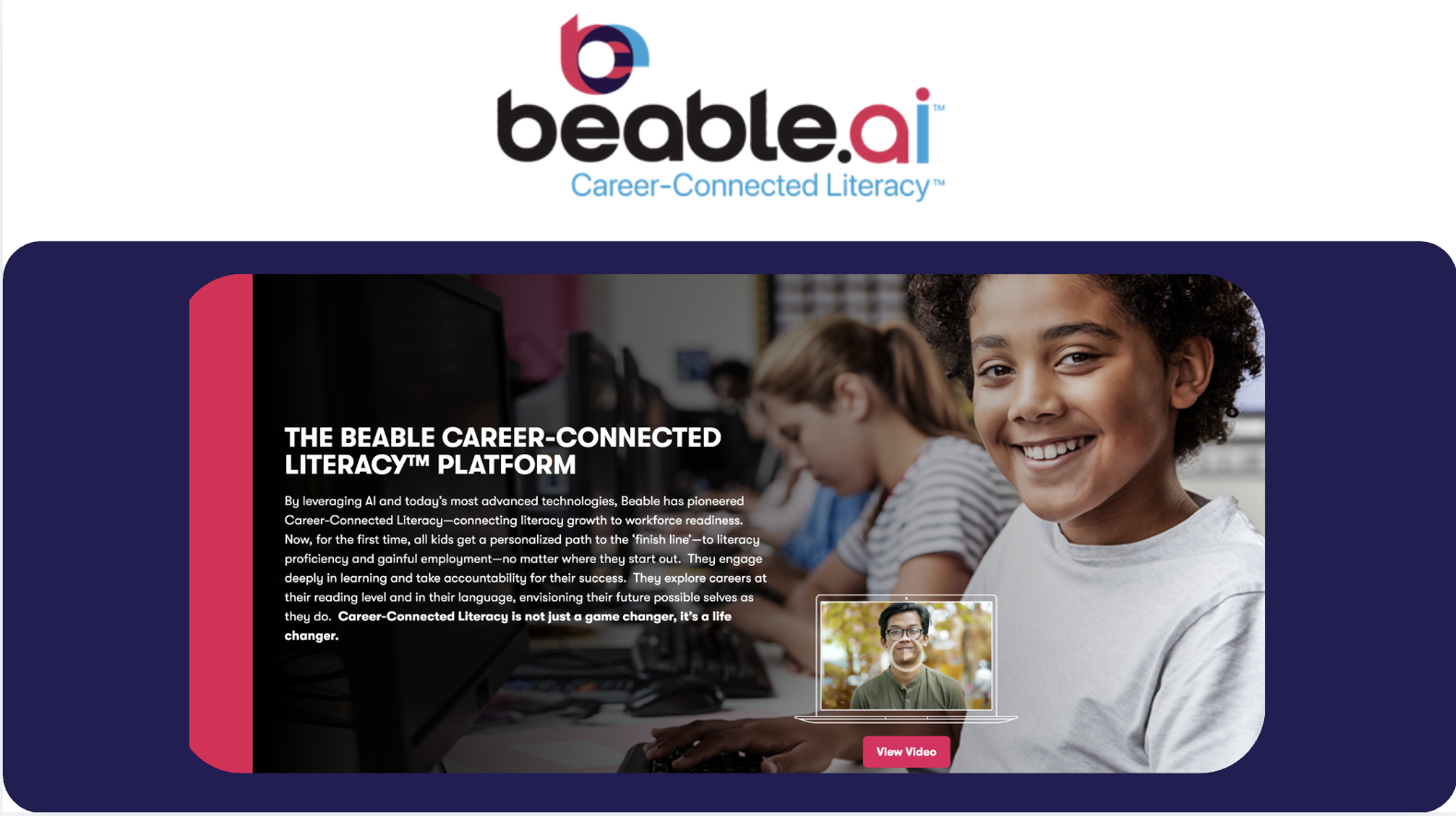
Beable is a career-connected literacy platform that embeds the Pathsmith® Durable Skills Framework directly into its curriculum for K-12 and adult learners.
TNTP provides opportunity assessments, professional learning, and hands-on coaching to help schools implement the Pathsmith® framework across instruction, school culture, and systems.

If you develop curriculum, assessments, EdTech tools, or professional development programs for postsecondary institutions and want to embed the Pathsmith® framework into your work, visit our Solutions Providers page to learn how.
